Participating in public offerings has become more organized with the availability of digital investment tools. An Ipo Investment App helps individuals understand, apply for, and track public issue participation without depending on manual paperwork. For many investors, access through a Demat Account Platform and a Trading App has made the entry process clearer and more structured. As capital markets expand, understanding how these applications function becomes important for informed participation.
This explains the essentials of an Ipo Investment App, how it supports market participants, and the role it plays in simplifying public issue engagement while maintaining regulatory alignment.
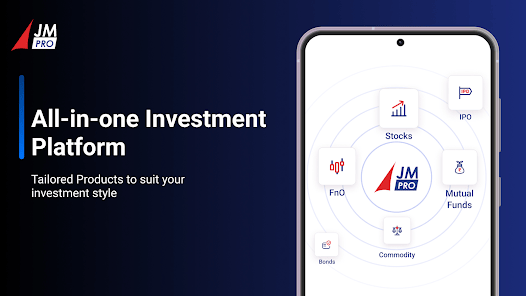
Understanding the Purpose of an Ipo Investment App
An Ipo Investment App is designed to provide access to newly offered equity instruments when companies enter the public market. These applications allow users to view issue details, eligibility conditions, timelines, and allotment status in one place.
Key Objectives of an Ipo Investment App
- Provide structured access to public issue information
- Support digital submission of applications
- Offer visibility into pricing ranges and timelines
- Enable tracking of allotment and listing updates
By connecting with a Demat Account Platform, the application ensures that securities, once allotted, are credited directly without manual intervention.
How Market Participants Use an Ipo Investment App
Market participants include first-time investors, experienced individuals, and those exploring long-term allocation opportunities. An Ipo Investment App supports these participants by offering clarity rather than complexity.
Information Access for Decision-Making
The app typically presents:
- Issue size and subscription dates
- Price bands and lot sizes
- Risk disclosures and offer summaries
This structured presentation helps users review essential data without navigating multiple sources.
Digital Application Flow
Applications submitted through a Trading App linked to a Demat Account Platform reduce procedural gaps. The process generally involves selecting a lot size, confirming payment authorization, and submitting the request digitally.
Role of a Demat Account Platform in IPO Participation
A Demat Account Platform acts as the foundation for holding allotted securities. Without it, participation in public issues is not possible.
Why a Demat Account Platform Is Necessary
- Enables electronic credit of allotted units
- Reduces paperwork and physical certificates
- Supports faster settlement and transfer
When integrated with an Ipo Investment App, the Demat Account Platform ensures that the transition from application to holding is seamless.
Alignment With Regulatory Requirements
Digital platforms operate within defined frameworks that require investor verification and compliance checks. This alignment protects both issuers and participants.
Trading App Integration and Its Practical Benefits
A Trading App complements IPO participation by allowing users to manage their holdings after listing.
Post-Listing Access
Once securities are listed, participants can:
- View market prices
- Monitor performance
- Decide on holding or selling
The combination of an Ipo Investment App and a Trading App creates continuity from application to post-listing engagement.
Centralized Portfolio View
Instead of managing separate tools, users can access IPO details, holdings, and transaction history through connected platforms.
Key Features That Support User Experience
While functionality varies, most applications focus on usability and clarity.
Common Functional Elements
- Clear issue timelines
- Guided application steps
- Status tracking for allotment
- Notifications for key dates
These features help reduce confusion and improve participation efficiency.
Risk Awareness and Responsible Participation
Public issues involve market exposure, and an Ipo Investment App usually includes risk-related disclosures to support informed decisions.
Understanding Allocation Outcomes
Not all applications result in allotment. Oversubscription can limit allocations, which makes it important for participants to understand probability factors rather than expectations.
Long-Term Perspective
Market participants often use IPO access as part of a broader allocation strategy. Reviewing financial disclosures and understanding market conditions remains essential.
Importance of Structured Information Presentation
Clear presentation plays a critical role in decision-making.
Simplified Layouts
Applications typically organize content into sections such as:
- Issue overview
- Financial summaries
- Important dates
This structure allows users to evaluate offerings without information overload.
Accessibility and Convenience Factors
Digital access allows participation without location constraints.
Time-Saving Advantages
- No physical forms
- Faster submission
- Easy modification before deadlines
Through a Trading App connected to a Demat Account Platform, users can manage participation efficiently.
Considerations Before Using an Ipo Investment App
Before participating, users should review:
- Eligibility requirements
- Application cut-off times
- Linked account accuracy
Verifying these factors helps avoid rejections or delays.
Future Relevance of IPO-Focused Applications
As public offerings continue to attract interest, structured digital tools are expected to remain relevant.
Evolving User Expectations
Participants increasingly expect transparency, clarity, and control. An Ipo Investment App that aligns with these expectations supports consistent engagement.
Conclusion
An Ipo Investment App plays a meaningful role in helping market participants engage with public offerings in an organized manner. When supported by a Demat Account Platform, it ensures secure holding and smooth settlement of allotted securities. The integration with a Trading App further allows users to monitor and manage their holdings after listing.
By combining structured information, digital application processes, and account integration, an Ipo Investment App supports informed participation without unnecessary complexity. For market participants seeking clarity and efficiency, understanding how these tools function together is an important step toward responsible public market engagement.
Leave a Reply